Traveling after a spouse dies can feel complicated. Maybe you used to travel together, and the thought of going somewhere without them feels painful. Maybe you’re now navigating life as the sole parent in your household and can’t imagine leaving your kids behind. Or maybe part of you quietly longs for a moment away from everything. A place where you can breathe and process what has happened.
Your first trip after loss doesn’t have to look like anyone else’s. Some widows take a trip with their children. Others travel with friends or family members. And sometimes, a widow chooses to travel alone for the first time in years.
However it unfolds, travel after loss isn’t about “moving on.” It’s about slowly learning how to live forward again.
Why Traveling After a Spouse Dies Can Feel So Emotional
Travel is deeply connected to memory. For many couples, trips mark some of the most meaningful moments in life — anniversaries, family vacations, spontaneous weekend getaways, or long-planned adventures.
So when a spouse dies, the idea of traveling again can bring up powerful emotions.
You might wonder:
- Will everything remind me of them?
- Is it okay to travel without them?
- How will I manage travel logistics on my own?
- What if I feel overwhelmed once I’m there?
- Is it odd that I feel guilty?
These concerns are completely normal. Traveling after a spouse dies often brings a mix of grief, courage, and curiosity all at the same time.
The key thing to remember is that there’s no right timeline for taking your first trip after loss. For some widows, travel happens within the first year. For others, it takes several years before it feels right.
Both paths are valid.
Your First Trip After Loss Might Include Your Children
Many widows still have children living at home when they lose a spouse. In those situations, travel often becomes something the family navigates together.
Taking a trip with your children after the death of a parent can actually be healing in several ways.
A family trip can:
- give everyone a break from the routines of grief
- create new memories together
- encourage open conversations about emotions
- help children see that life still holds moments of joy
Your first trip after loss as a family doesn’t have to be elaborate. It might be as simple as a weekend road trip, a visit to relatives, or a quiet vacation near nature where everyone can slow down.
Children often benefit from new environments where they can laugh, explore, and reconnect with their surviving parent in a different way.
Traveling with Adult Children After Loss
For widows whose children are grown, travel can also become an opportunity to reconnect with them in meaningful ways.
Adult children are grieving too, and sometimes traveling together allows space for conversations that might not happen in everyday life.
Many widows find comfort in:
- taking a trip that honors their spouse’s memory
- visiting places their partner loved
- planning a new adventure together as a family
Traveling with adult children can also ease the pressure of navigating unfamiliar places alone during those first trips after loss.
Sometimes a Widow Just Needs to Get Away
While family travel can be meaningful, there’s another reality that many widows quietly feel but don’t always say out loud:
Sometimes you just need a break.
When a spouse dies, widows often become the emotional anchor for everyone around them. If you have children, you may be supporting them through their grief while also handling new responsibilities at home.
In the middle of caring for everyone else, it’s easy to forget that you’re grieving too.
Taking a little time away doesn’t mean you’re abandoning your family or responsibilities. It simply means you’re giving yourself space to process everything that has changed.
Widow travel alone can help you:
- clear your mind
- reconnect with your own identity
- rest emotionally and physically
- reflect on what life might look like moving forward
Sometimes a quiet weekend away is enough to bring clarity and emotional relief.
How to Plan Your First Trip After Loss
Breaking the process into simple steps can make it feel more manageable.
Start Small
Your first trip doesn’t need to be a major vacation. A short getaway can help you ease back into travel while building confidence.
Many widows start with:
- a weekend trip
- a nearby destination
- a visit with friends or relatives
- a nature retreat
Starting small allows you to test what feels comfortable emotionally and practically.
Choose a Destination That Feels Right
Think about what kind of environment would support you best right now.
Some widows prefer peaceful destinations like lakes, beaches, or mountains where they can reflect quietly. Others find comfort in vibrant cities with museums, restaurants, and cultural experiences that gently distract from grief.
If you’re traveling with children, consider destinations that balance relaxation with simple activities they can enjoy.
Be Flexible With Your Plans
Grief can be unpredictable, and traveling after a spouse dies may bring unexpected emotions.
Give yourself permission to:
- change plans if you feel overwhelmed
- take breaks during the day
- spend quiet time reflecting
- skip activities that feel too difficult
A flexible mindset can make travel much less stressful.
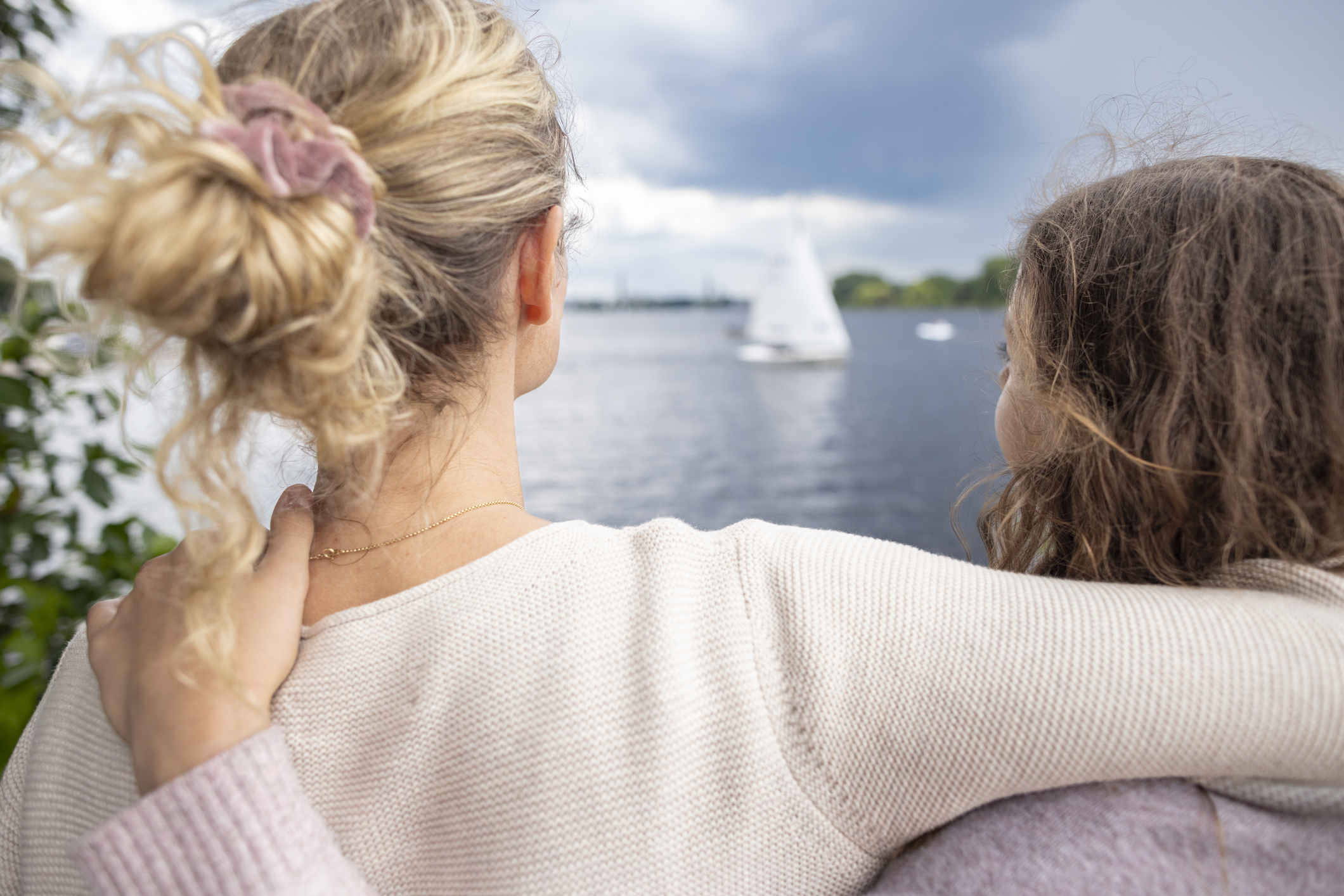
The Emotional Side of Widow Travel Alone
For widows who choose to travel independently, the experience can be both empowering and emotional.
Your first solo trip may bring moments where you feel:
- proud of your independence
- reflective about your past
- surprised by moments of peace
- emotional when memories surface
All of these experiences are normal.
Widow travel alone doesn’t erase grief, but it can help you rediscover your strength and independence.
Many widows say their first solo trip reminded them that they are still capable, resilient, and able to create meaningful experiences in life.
Practical Tips for Traveling After Loss
Whether you’re traveling with children or planning widow travel alone, a few practical strategies can help make the experience smoother.
-
Share Your Travel Plans
If you’re traveling alone, let a trusted friend or family member know your itinerary and check in periodically.
-
Pack Comfort Items
Small comforts — like a journal, favorite book, or meaningful photo — can provide emotional grounding during the trip.
-
Allow Yourself to Feel
Traveling after a spouse dies may bring tears, laughter, or moments of deep reflection. Give yourself permission to experience whatever emotions arise.
-
Focus on the Present
Try to stay present in the moment. Notice the beauty around you, even in small ways.
Traveling After Loss Is a Personal Journey
There’s no single “right” way to approach traveling after a spouse dies.
Your first trip after loss might look like:
- a family vacation with your children
- a meaningful trip with adult kids
- a getaway with close friends
- or your first experience with widow travel alone
Every path is valid.
Travel isn’t about leaving your spouse behind. It’s about learning how to carry their memory with you while continuing to live your life with light.
Common Questions About Traveling After a Spouse Dies
Is it healthy to travel while grieving?
Yes. Traveling after loss can offer a change of perspective and a break from daily routines. While it won’t eliminate grief, it can create space for reflection, healing, and new experiences.
How soon should a widow travel after her spouse dies?
There is no universal timeline. Some people travel within months, while others wait years. The most important factor is whether the idea of travel feels supportive rather than overwhelming.
Should widows travel alone or with family?
Both options can be beneficial. Widow travel alone may offer personal reflection and independence, while traveling with children or loved ones can strengthen relationships and provide shared healing.
What if traveling reminds me too much of my spouse?
This can happen, especially if travel was an important part of your relationship. If emotions arise, give yourself time to process them. Many widows eventually find comfort in revisiting places or creating new travel memories.
How can I prepare emotionally for my first trip after loss?
Consider journaling before your trip, setting gentle expectations, and reminding yourself that it’s okay to feel a range of emotions while traveling.

Your Path, Your Pace
There’s no perfect way to approach traveling after a spouse dies. If you choose to explore the world again, even in small ways, you’re making space for your life to continue, with gentleness, courage, and light.
For some widows, that first trip after loss is a quiet moment alone to breathe and reset. For others, it’s a family getaway with children who are grieving too. And sometimes it’s both learning how to care for everyone else while also caring for yourself.
If you’re navigating life after loss and looking for connection, encouragement, and resources from people who truly understand, The Widow Collaborative is here for you.
Create your free TWC account to connect with a supportive community, access resources designed specifically for widows, and share experiences with others walking a similar path.